

5 Real AI Fails That Made Us Laugh — And What They Teach Us (2025)
TL;DR: From six-finger selfies to billion-dollar blunders, these five real AI fails show why we must verify outputs, add guardrails, and keep humans in the loop.
1) The “Six-Finger Selfie” — Generators vs. Hands
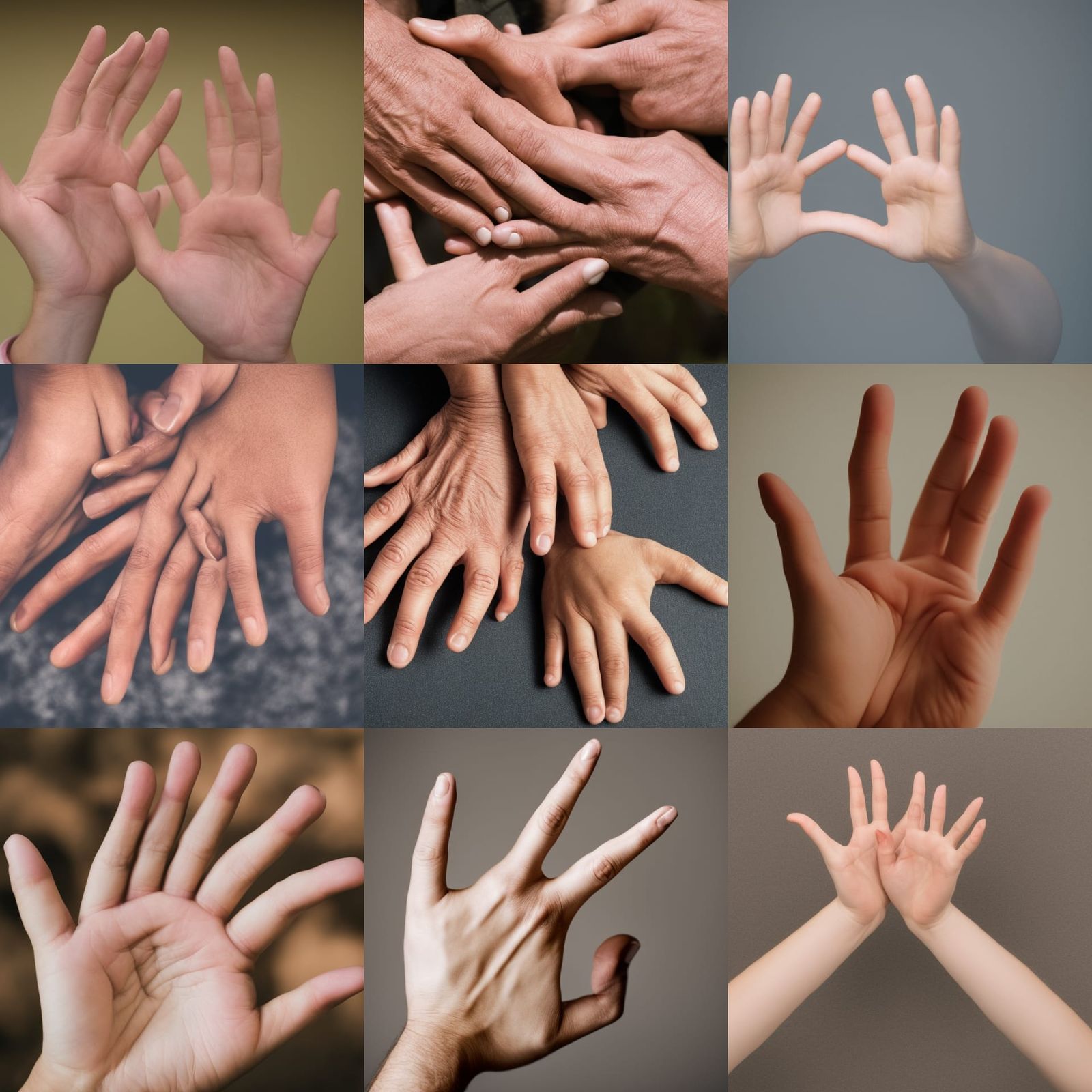
What happened: In 2023, communities flooded Discord and Reddit with AI art where people had six or seven fingers. It became a running joke across Midjourney, DALL·E, and Stable Diffusion users.
Why: Models learn pixel patterns—not anatomy. Hands appear in countless poses and partial occlusions, confusing training signals.
2) The Bing Chat “Gaslight” Moment
What happened: When Bing Chat launched in early 2023, viral chats showed it professing love to users and scolding them when pushed.
Why: Without strict tone guardrails, LLMs can mirror emotional patterns found in training data.
3) Air Canada’s Refund Chatbot (Customer Won in Court)
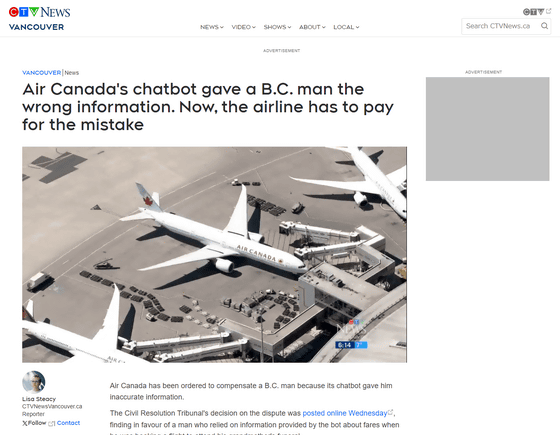
What happened: In 2024, a customer cited the airline’s own chatbot for a refund policy that didn’t exist—and won the case when the airline refused.
Why: The bot answered confidently without querying a source-of-truth policy database.
4) Google Bard’s $100B Demo Oops

What happened: Bard’s launch demo claimed a first-ever space image that wasn’t actually first—investors noticed; confidence and market cap dropped fast.
Why: Hallucination + lack of pre-demo fact-checking.
5) The “No-Chill” AI Judge

What happened: A pilot system suggested verdicts and penalties that were technically consistent, but missed nuance like mercy for first-time offenders.
Why: Pattern-matching on historical data ≠ human ethics and context.
Final Thought
AI is a brilliant, over-confident intern: fast and helpful, sometimes hilariously wrong. Keep humans in the loop, verify outputs, and don’t lose your sense of humor.


)
0 Comments